HANDICRAFTS
OF GUJARAT
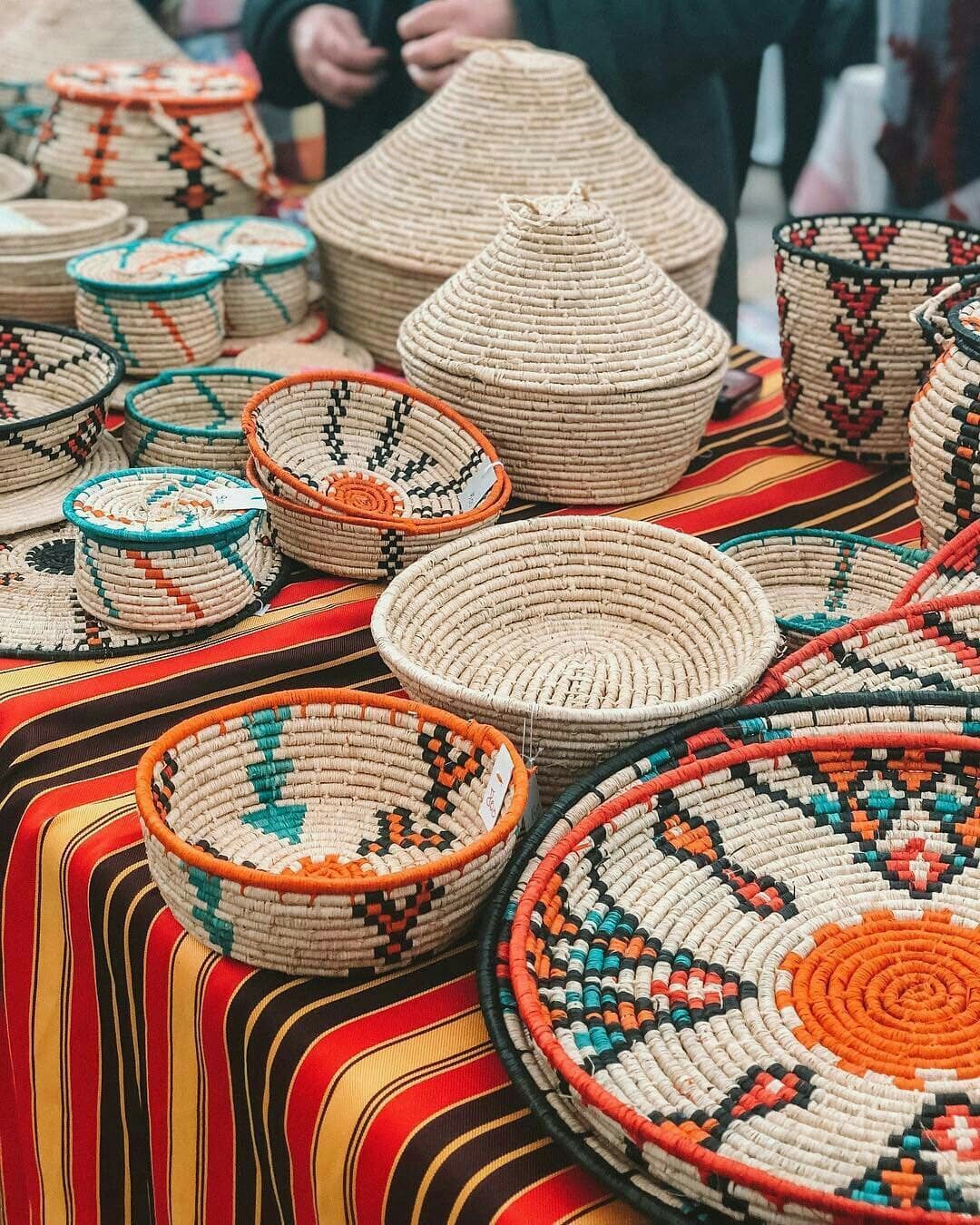
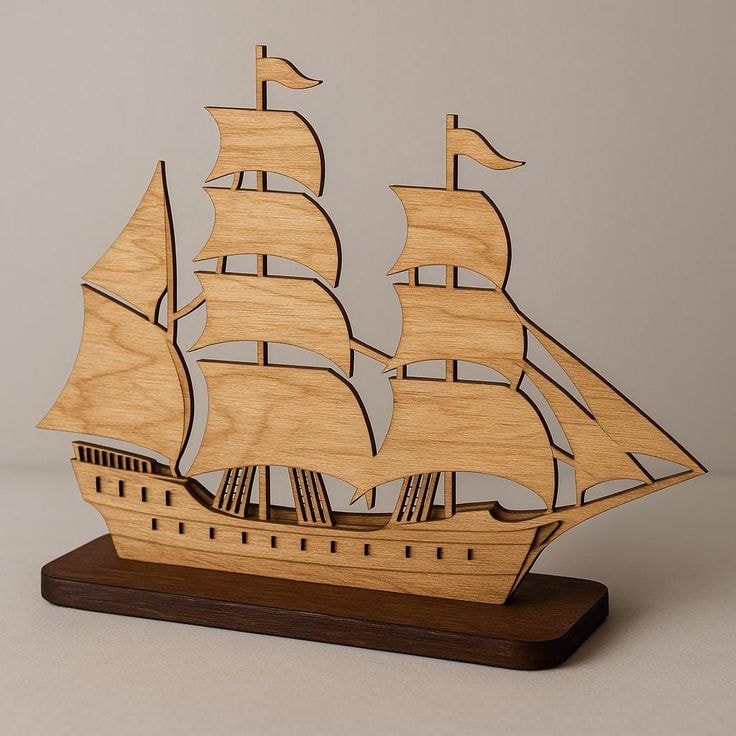
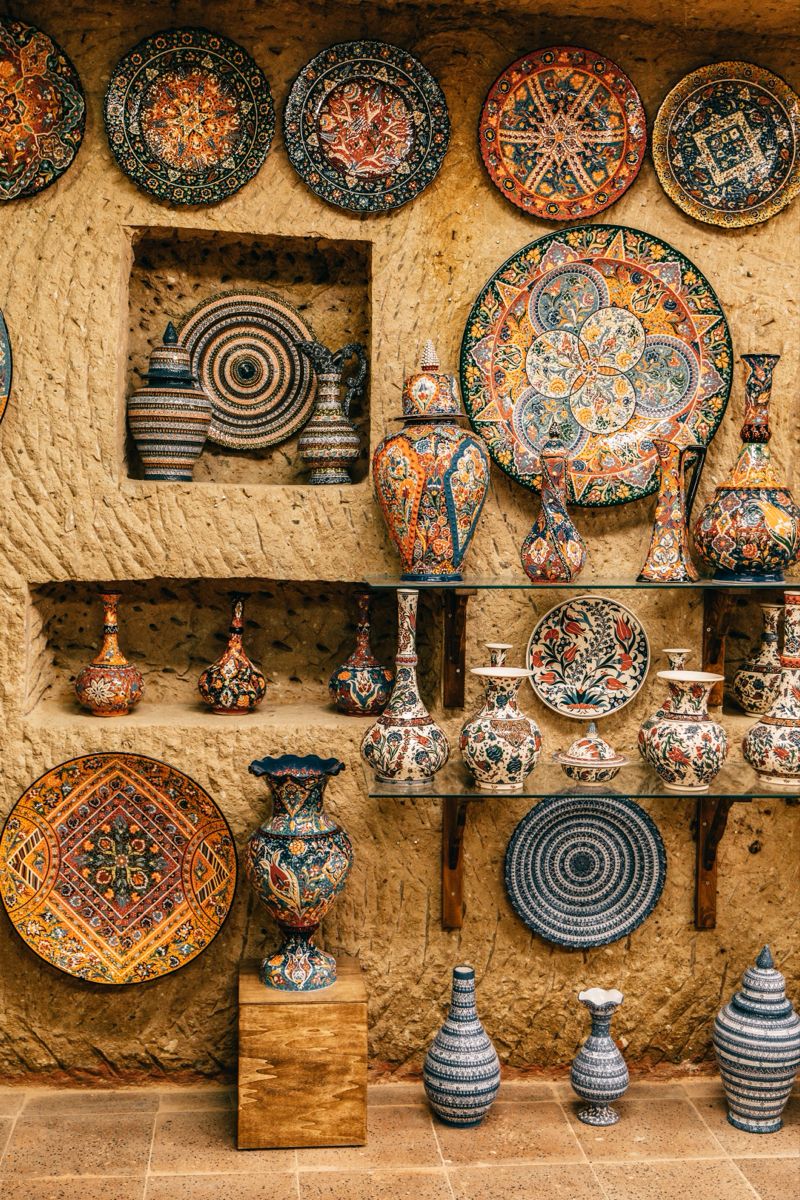
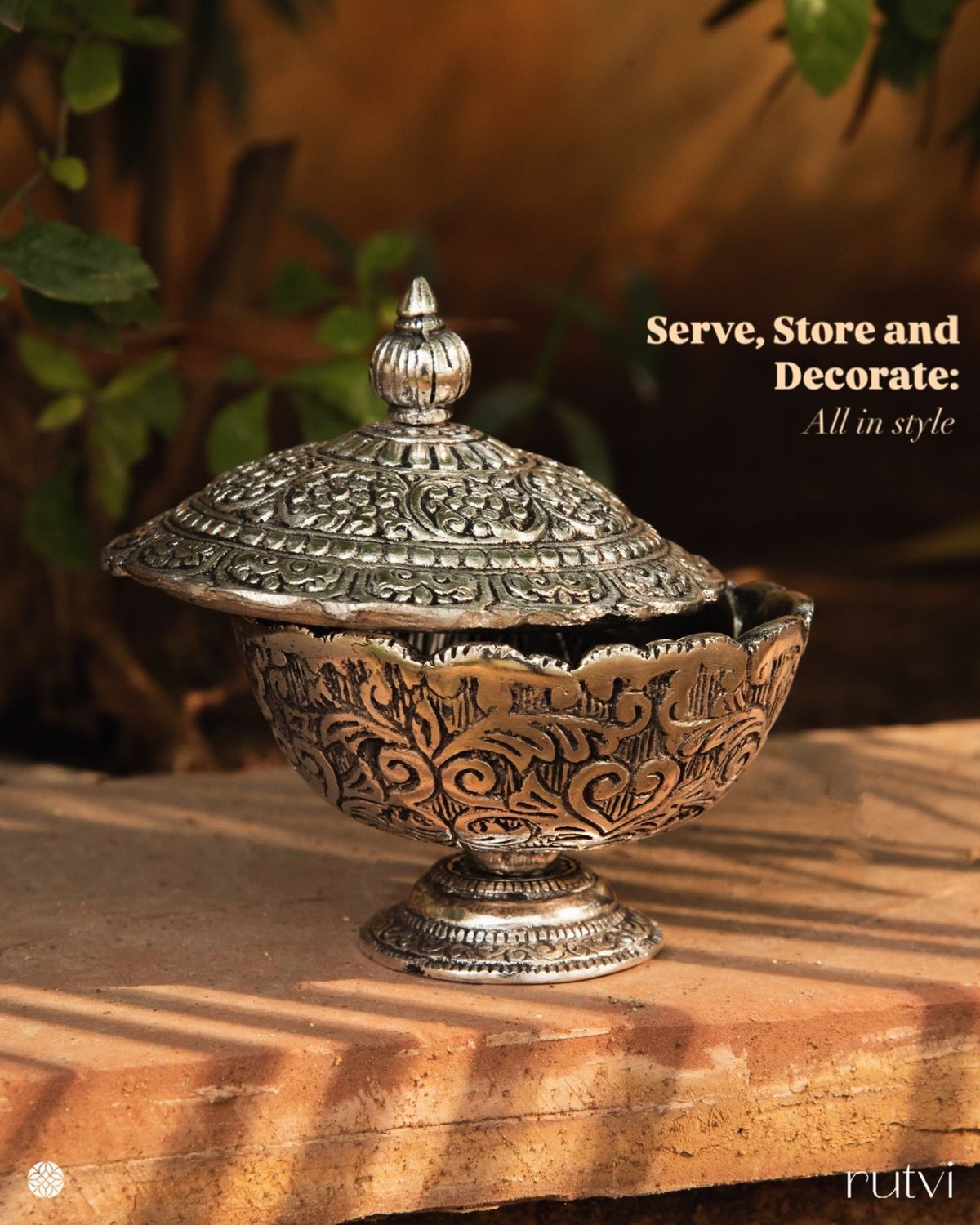
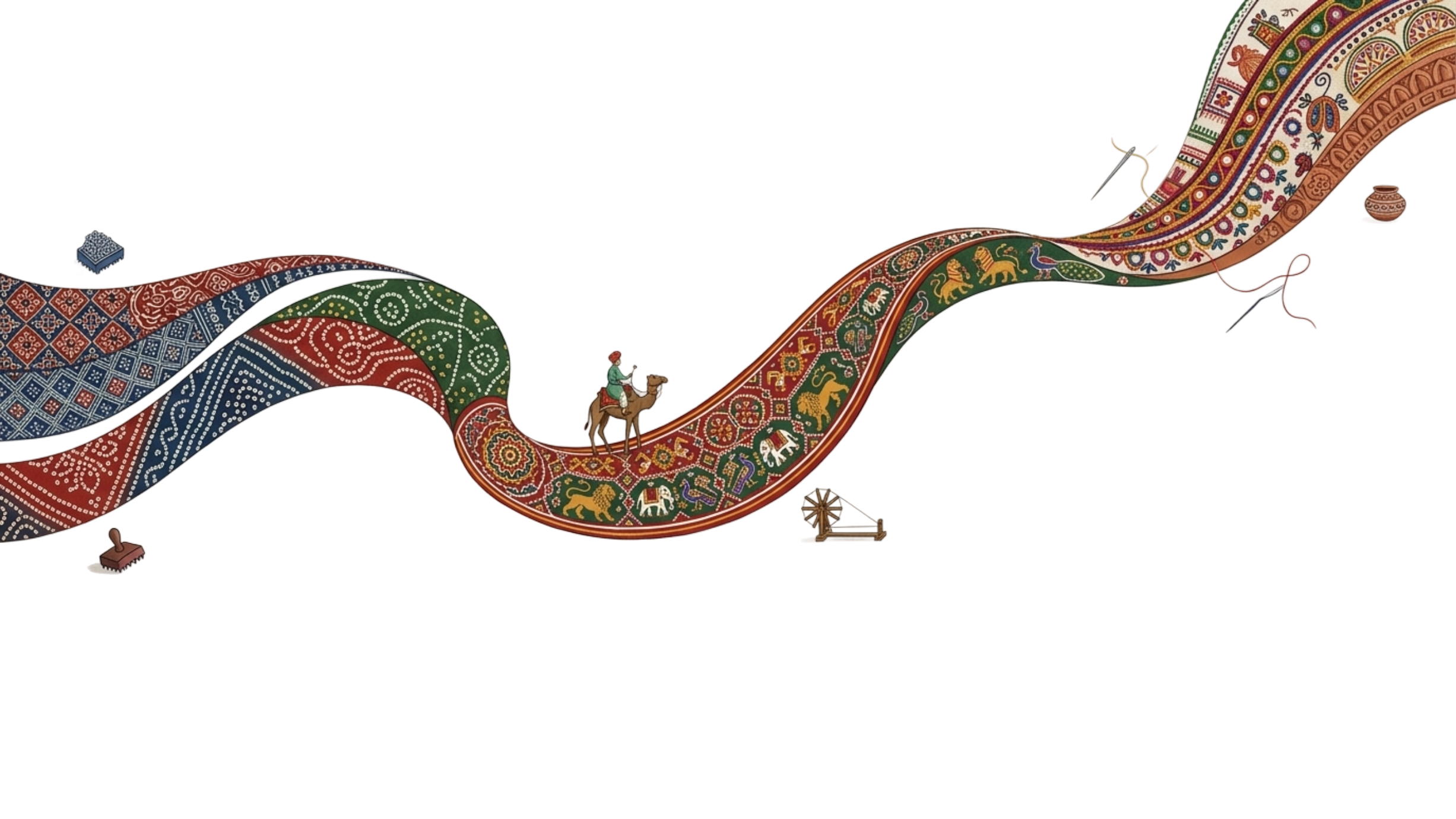
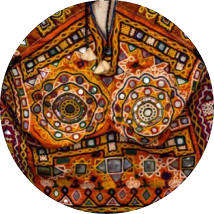
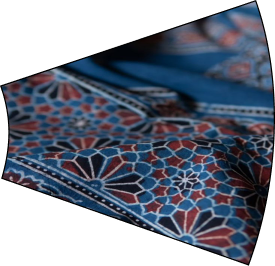
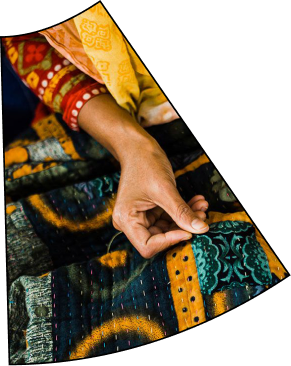
Discover the heritage of diverse crafts like Ajrakh printing and detailed Kutch embroidery. Materfully handicraft created by artisans, weaving stories of the tradition into every item.

Concept, analysis, design by Siddhi Jain
Handicrafts of Gujarat
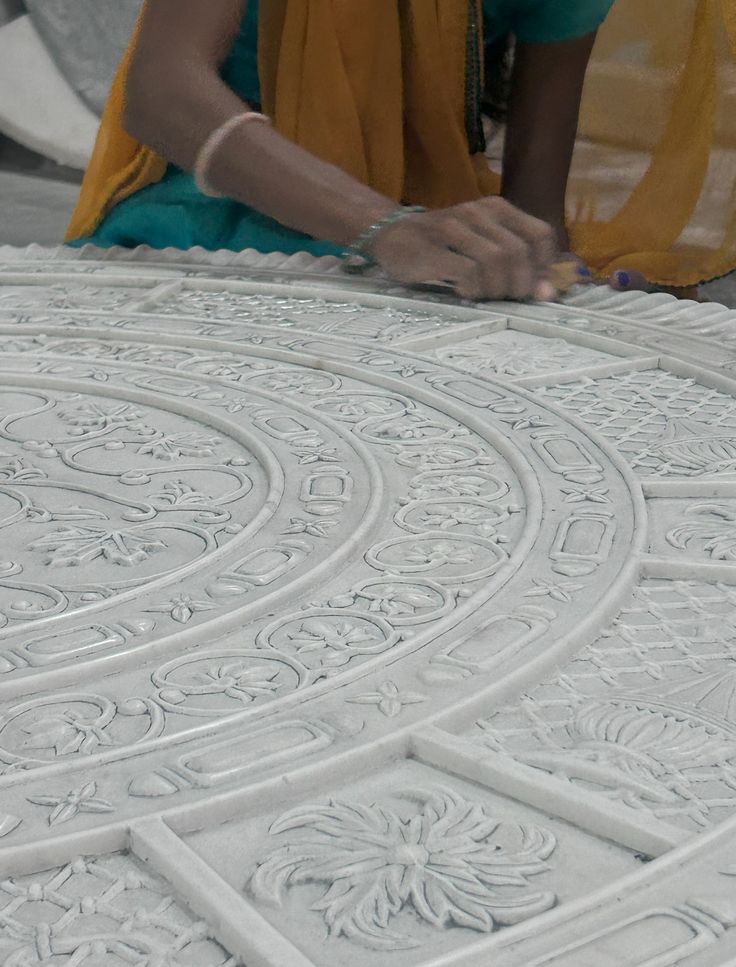
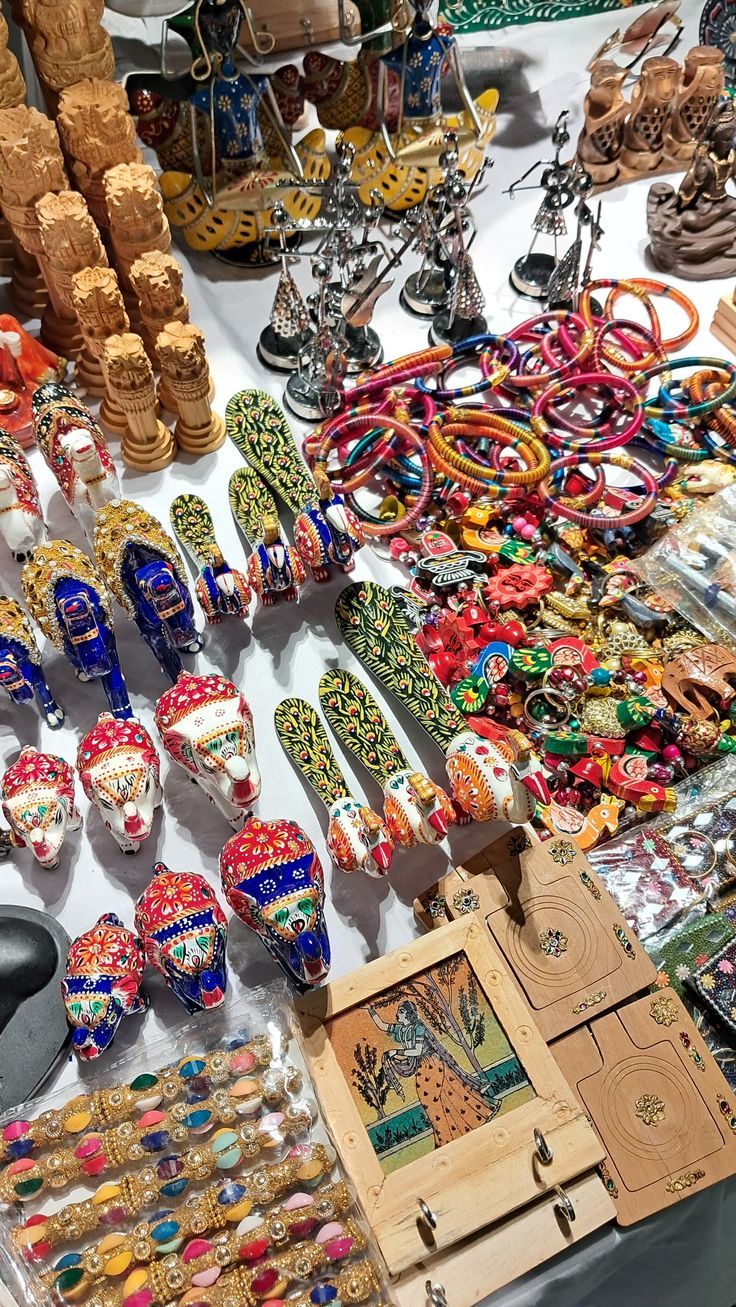
Gujarat’s handicrafts are a reflection of a living cultural system where materials, skills, and traditions come together through generations of artisans. Rooted in regional identity, each craft emerges from a deep understanding of local resources, climate, and community practices transforming everyday materials into objects of meaning and expression.
More than decorative forms, these crafts represent a continuous dialogue between function, culture, and creativity. They carry stories of adaptation, exchange, and evolution, shaping a diverse landscape where heritage is preserved while responding to changing times.
APRIL 10,2026

10 MIN READ
Centuries of Crafts
A Legacy of Gujarat’s Handloom & Handicraft Traditions


Early Foundations
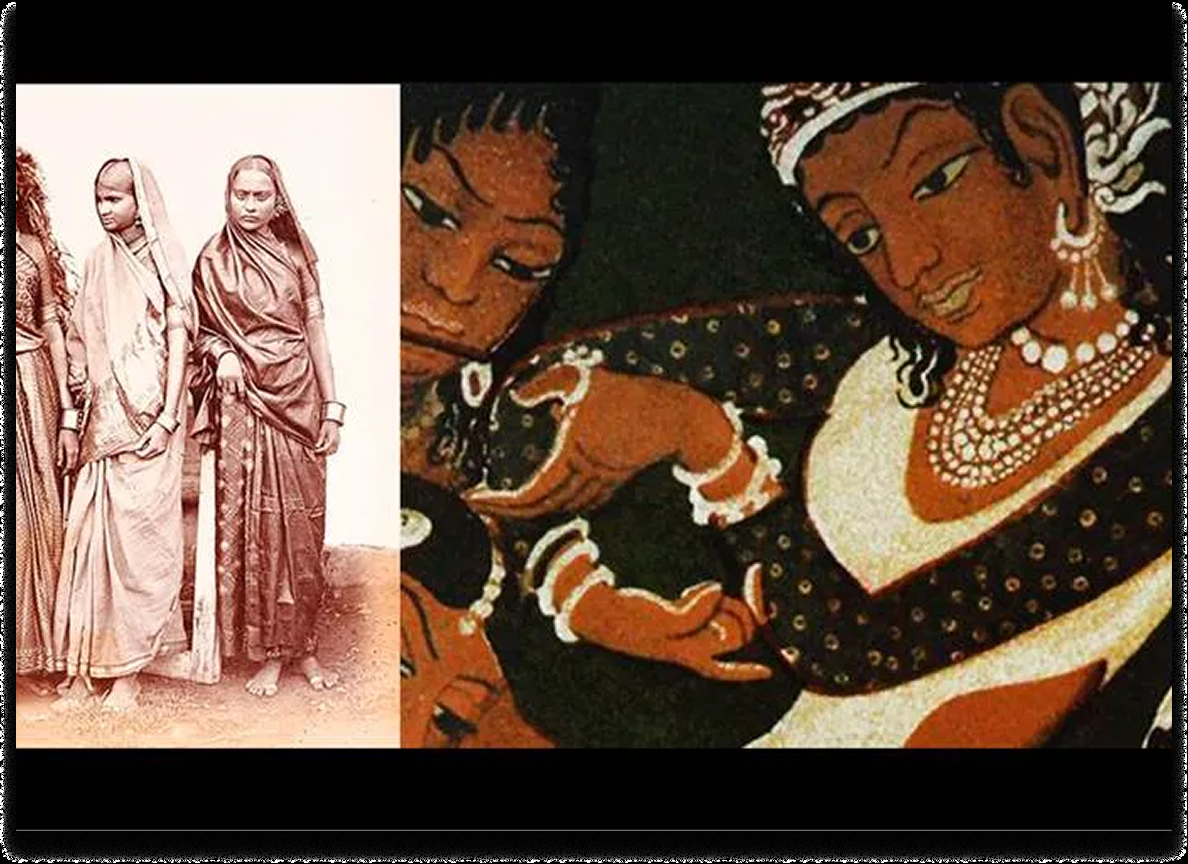
Rise Under Kingdoms
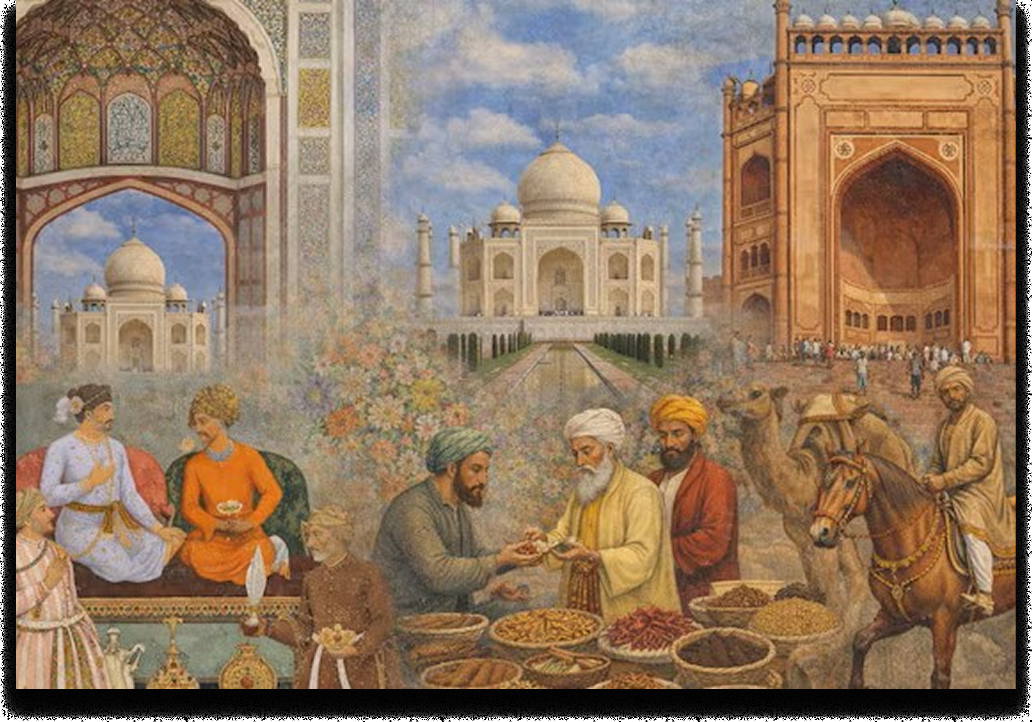
Trade & Cultural Exchange
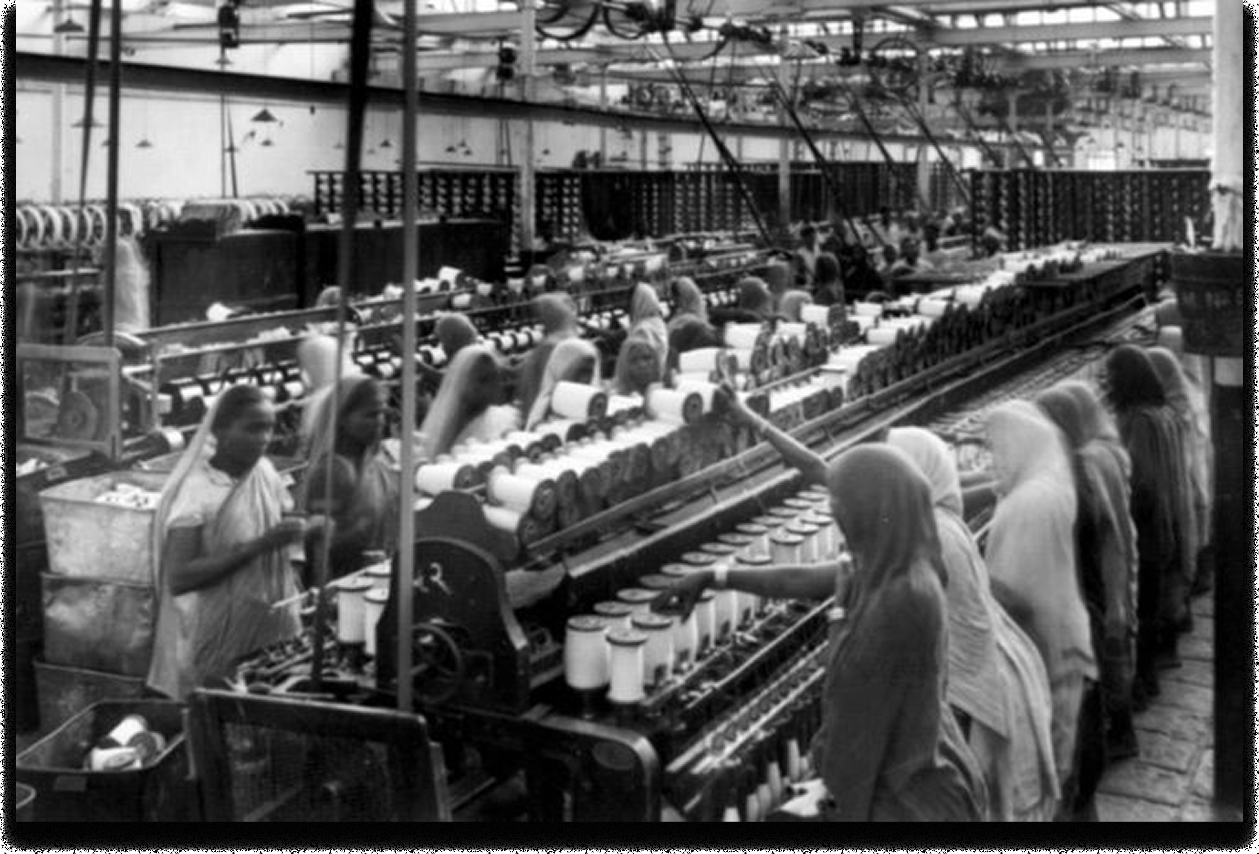
Colonial Disruption
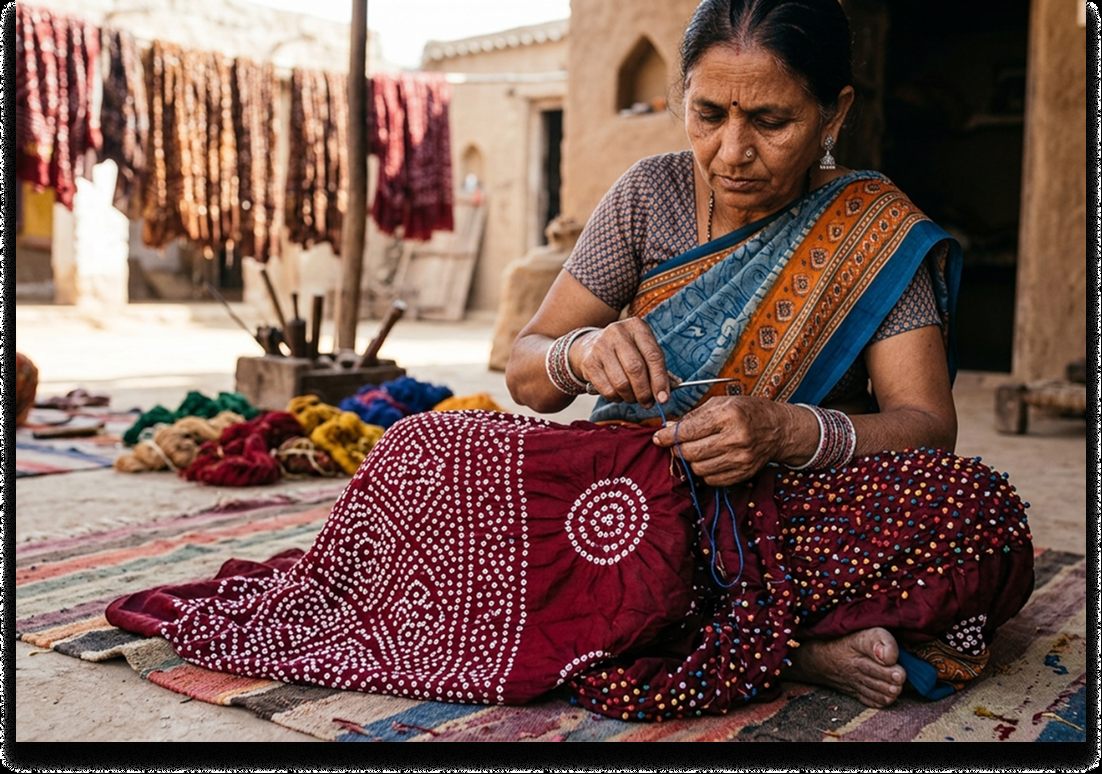
Revival & Design Intervention
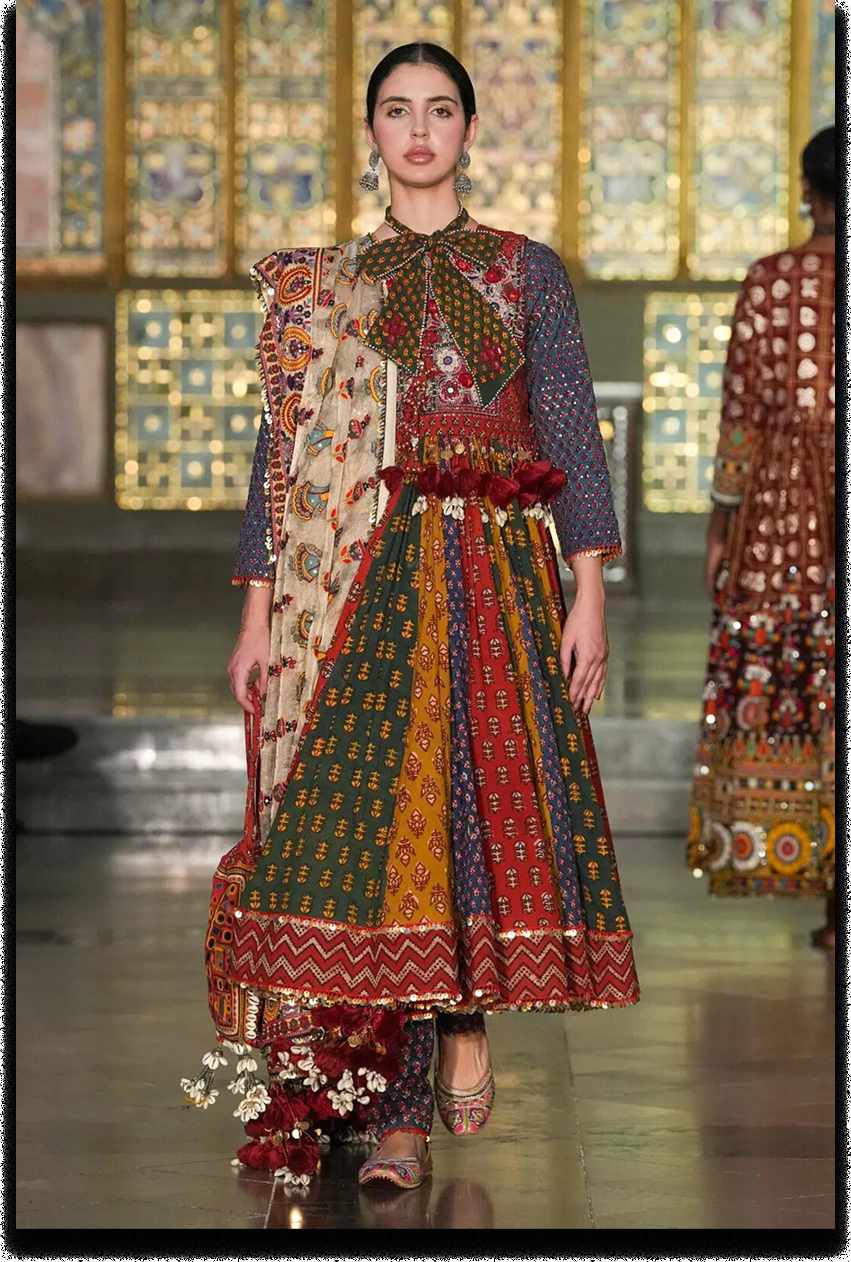
Global & Contemporary Evolution
Origins of Craft Traditions
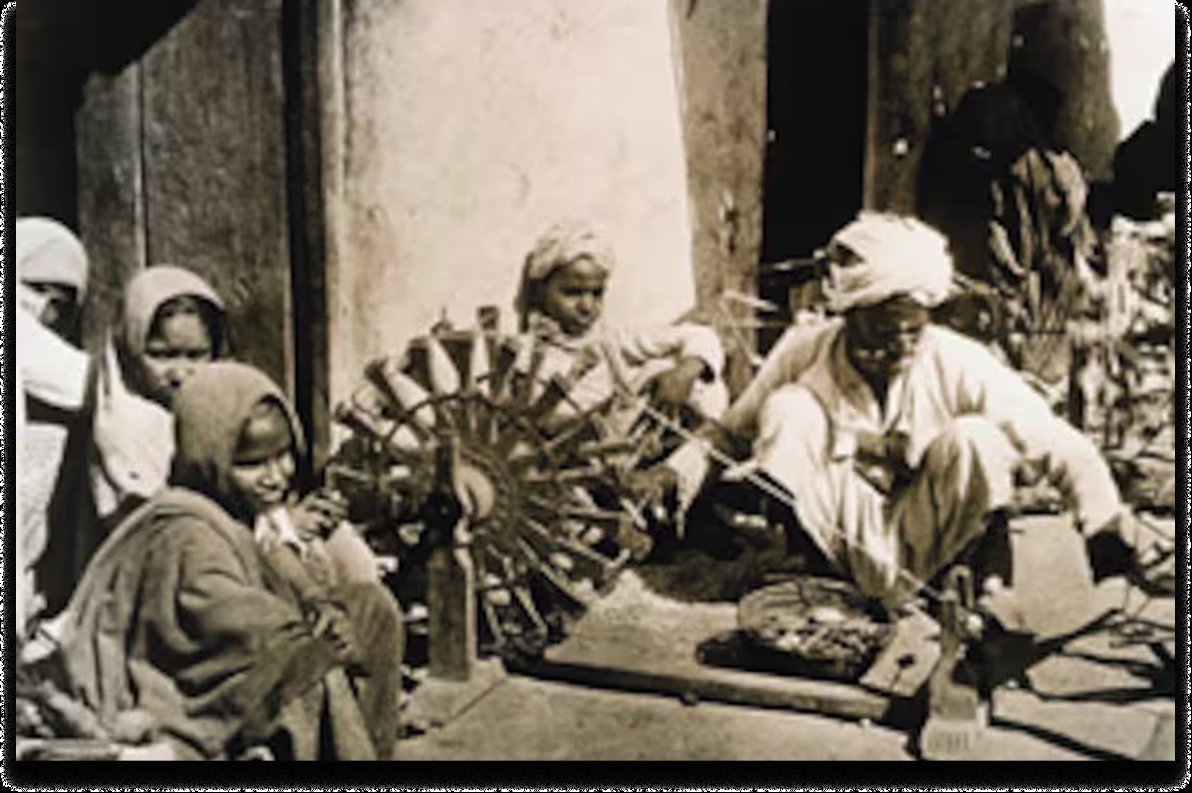
Early communities in Gujarat created crafts from natural materials like clay, cotton, and plant dyes, blending everyday utility with cultural expression.
Before 1000 CE
Gujarat as a Global Trade Hub
Trade with Persia, Africa, and Central Asia made Gujarat a textile hub, enriching craft techniques, patterns, and materials.
1500 - 1800
Preservation and Modern Adaptation
Today, Gujarat’s handicrafts are globally recognized, blending innovation with efforts to preserve traditional knowledge.
1947 - 2000
1000
1500

Royal Patronage & Specialization
With royal patronage, crafts flourished as artisans specialized in textiles, embroidery, and decorative arts within organized communities.
1800
1947
Impact of Industrialization
Industrialization during colonial rule reduced traditional crafts, replacing handmade goods and impacting artisans’ livelihoods.
2000
Present
Balancing Tradition with Innovation
In the modern era, Gujarat’s handicrafts have gained global recognition through exports and digital platforms. While innovation continues, artisans strive to preserve traditional knowledge amidst evolving markets.





Origin
Jamnagar
Gujarat

Technique
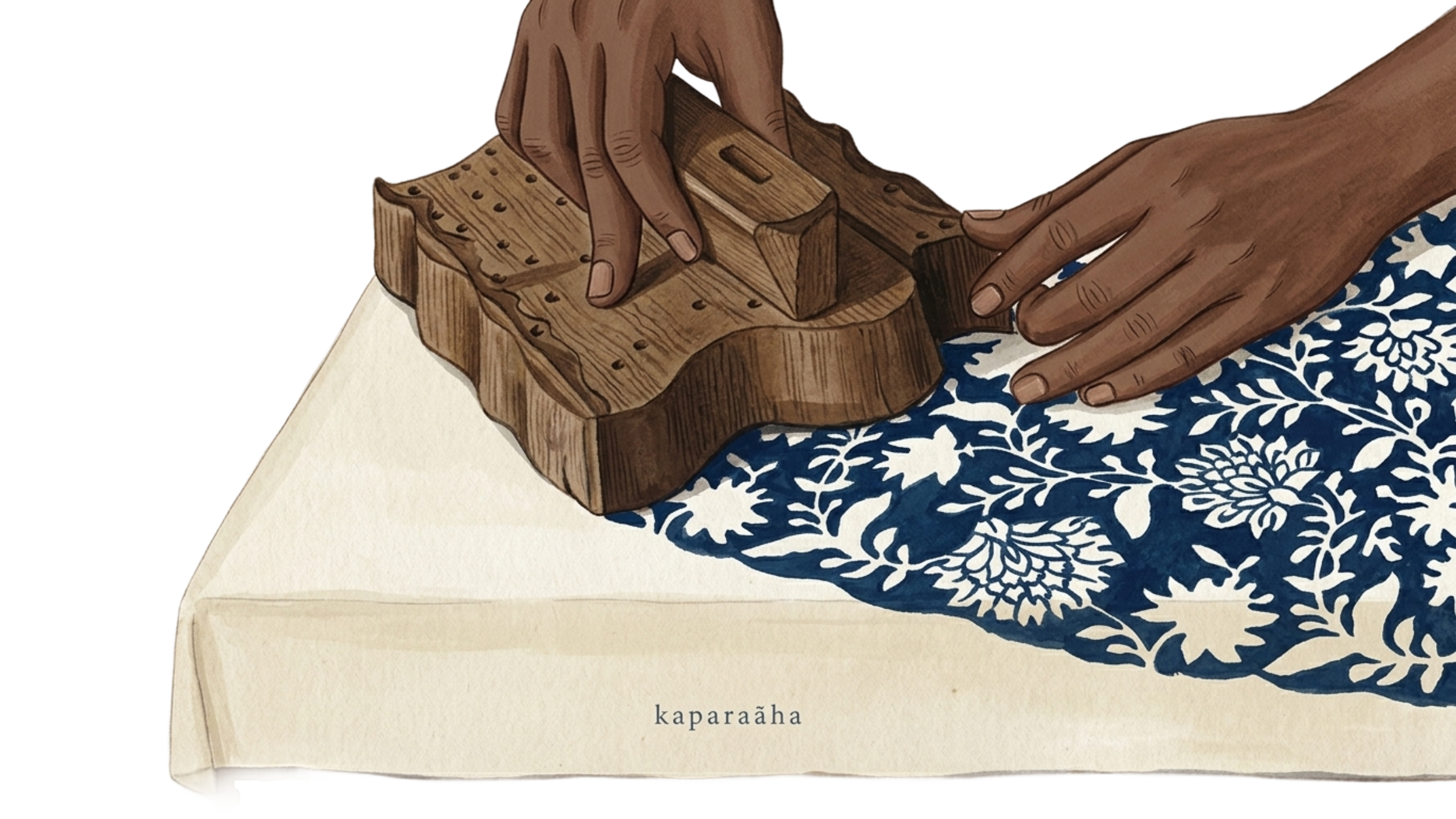
- Pinching fabric
- Tying with threads
- Dyeing in stages
- Creating resist patterns

Communities
Khatri
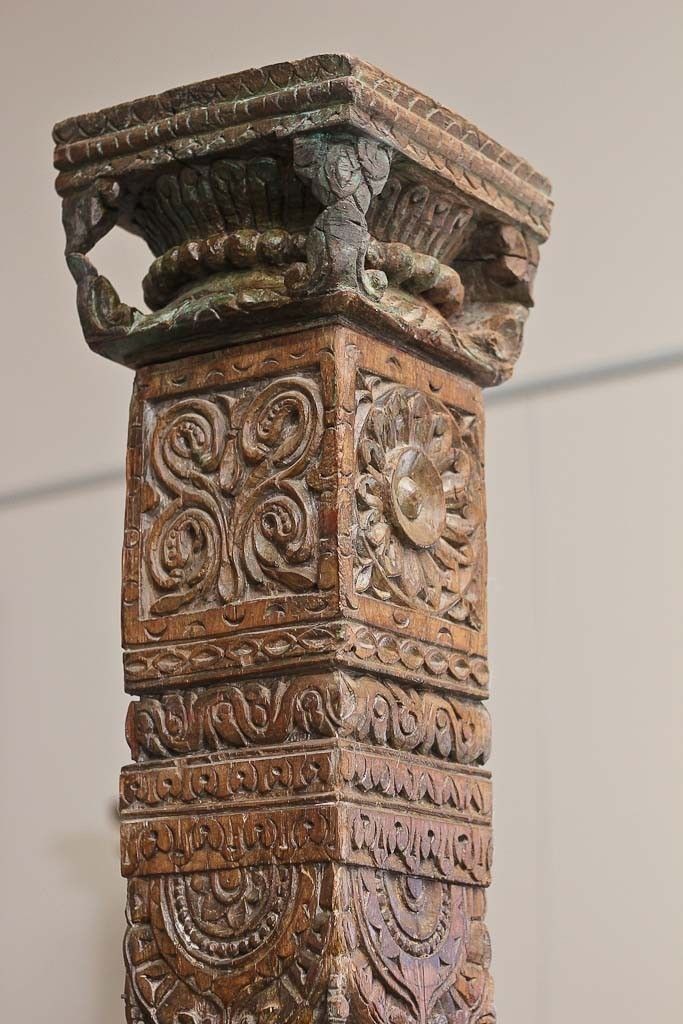
Temple craft makers

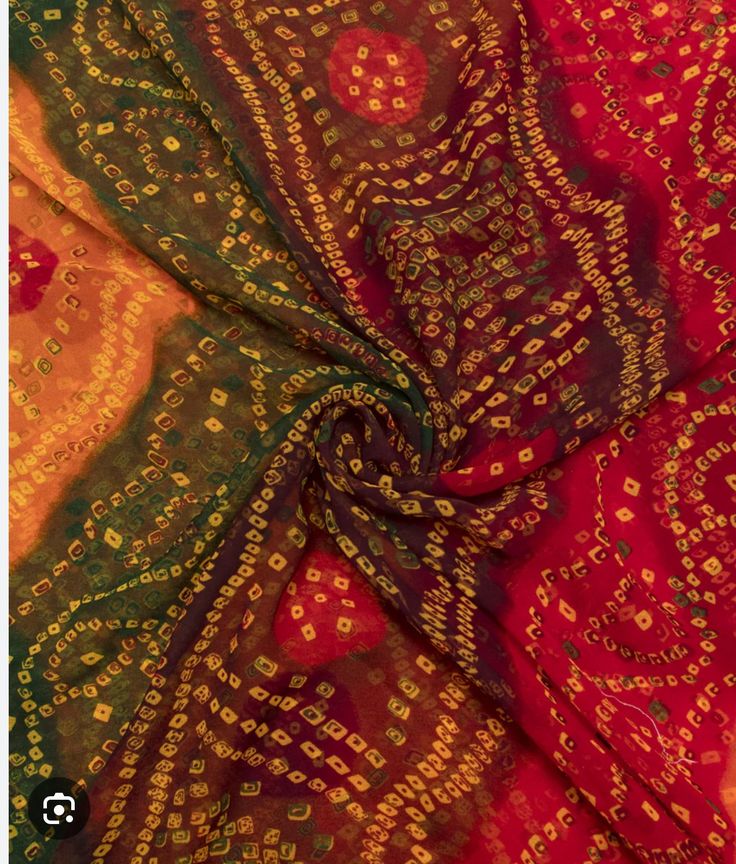
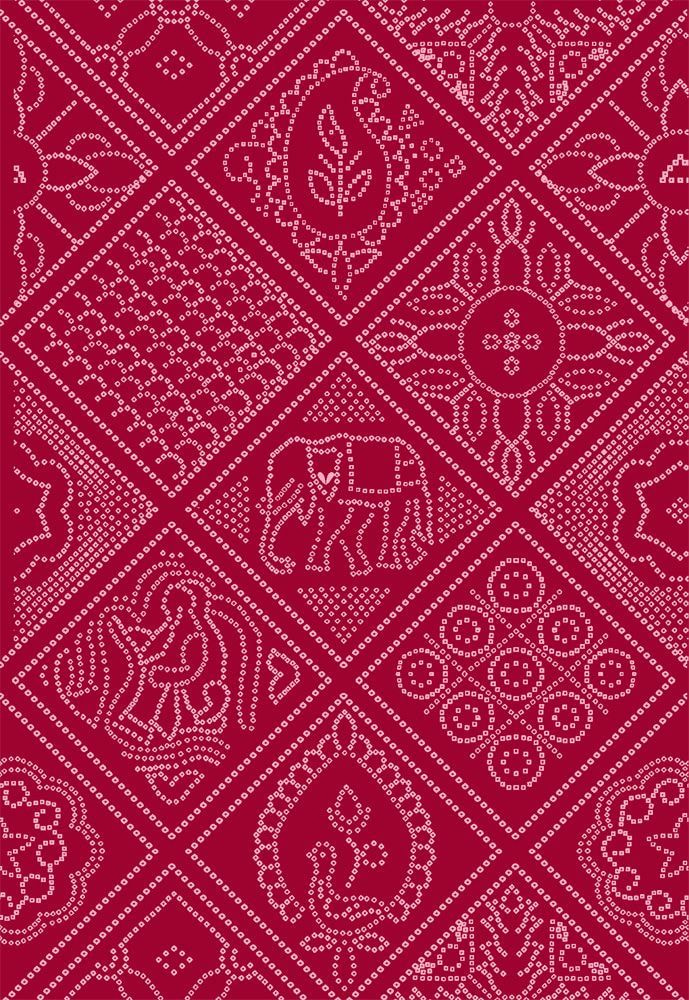
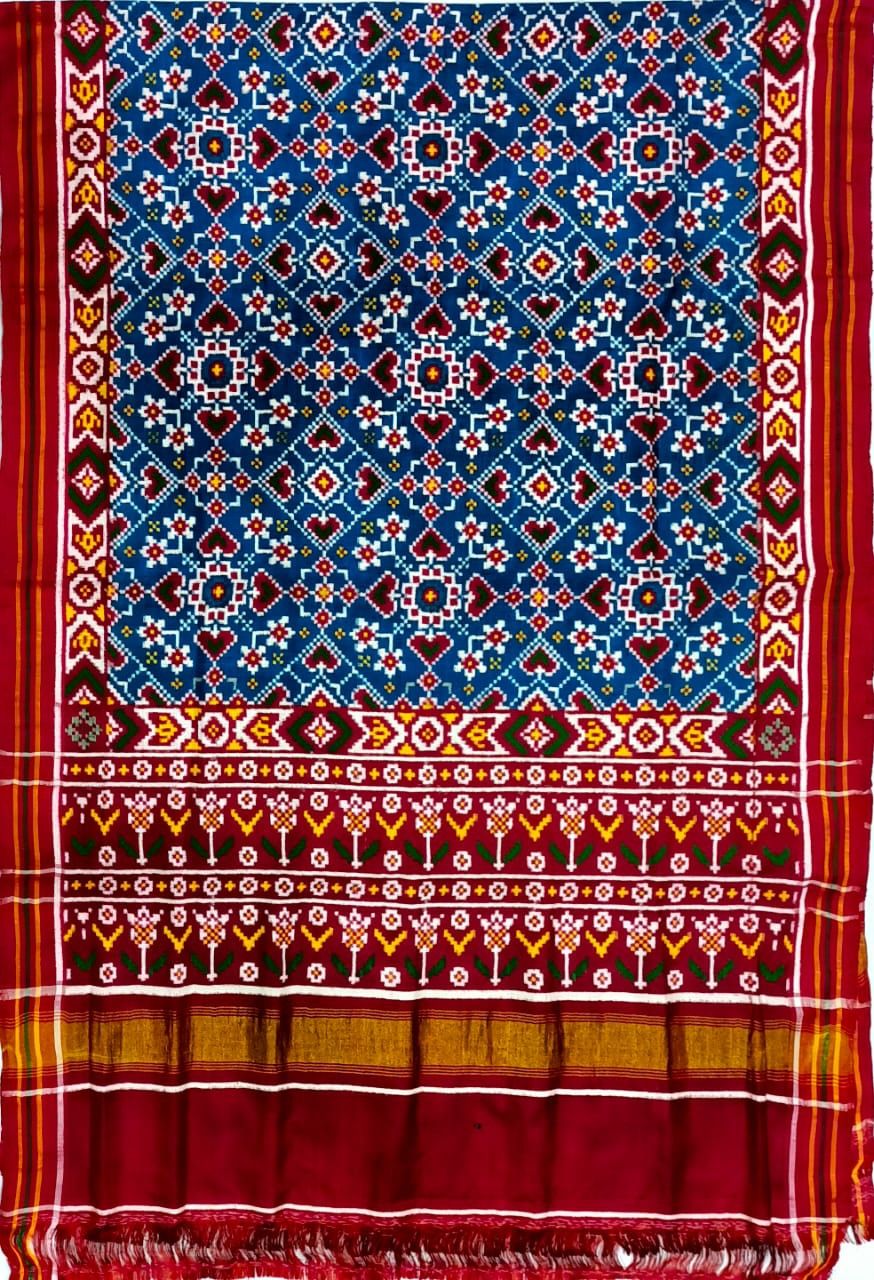
Bandhani (Tie-Dye)
Traditional tie-dye textile art created by binding fabric to form intricate dotted patterns
Explore Craft


Meet the Artisans

View Process


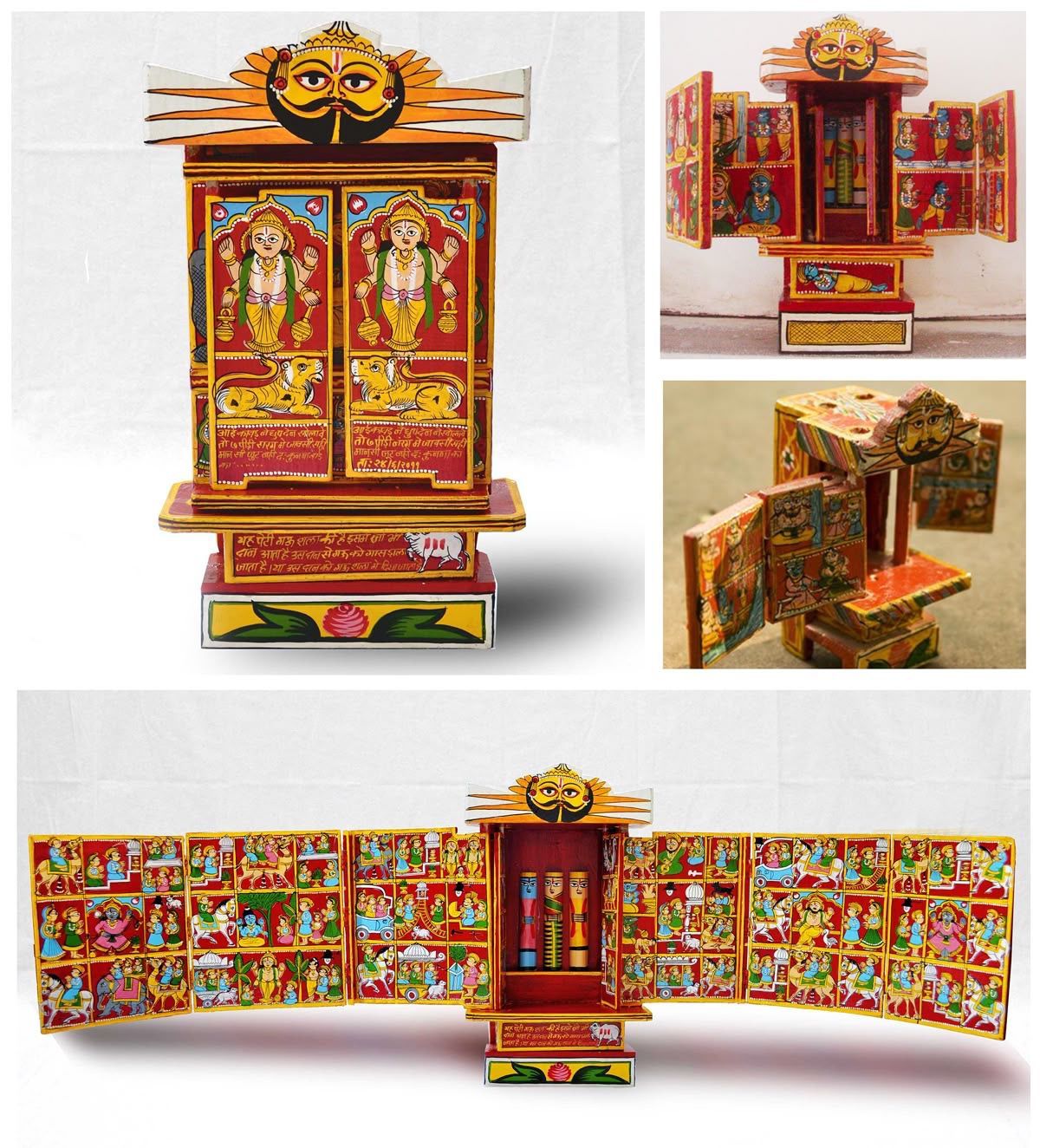
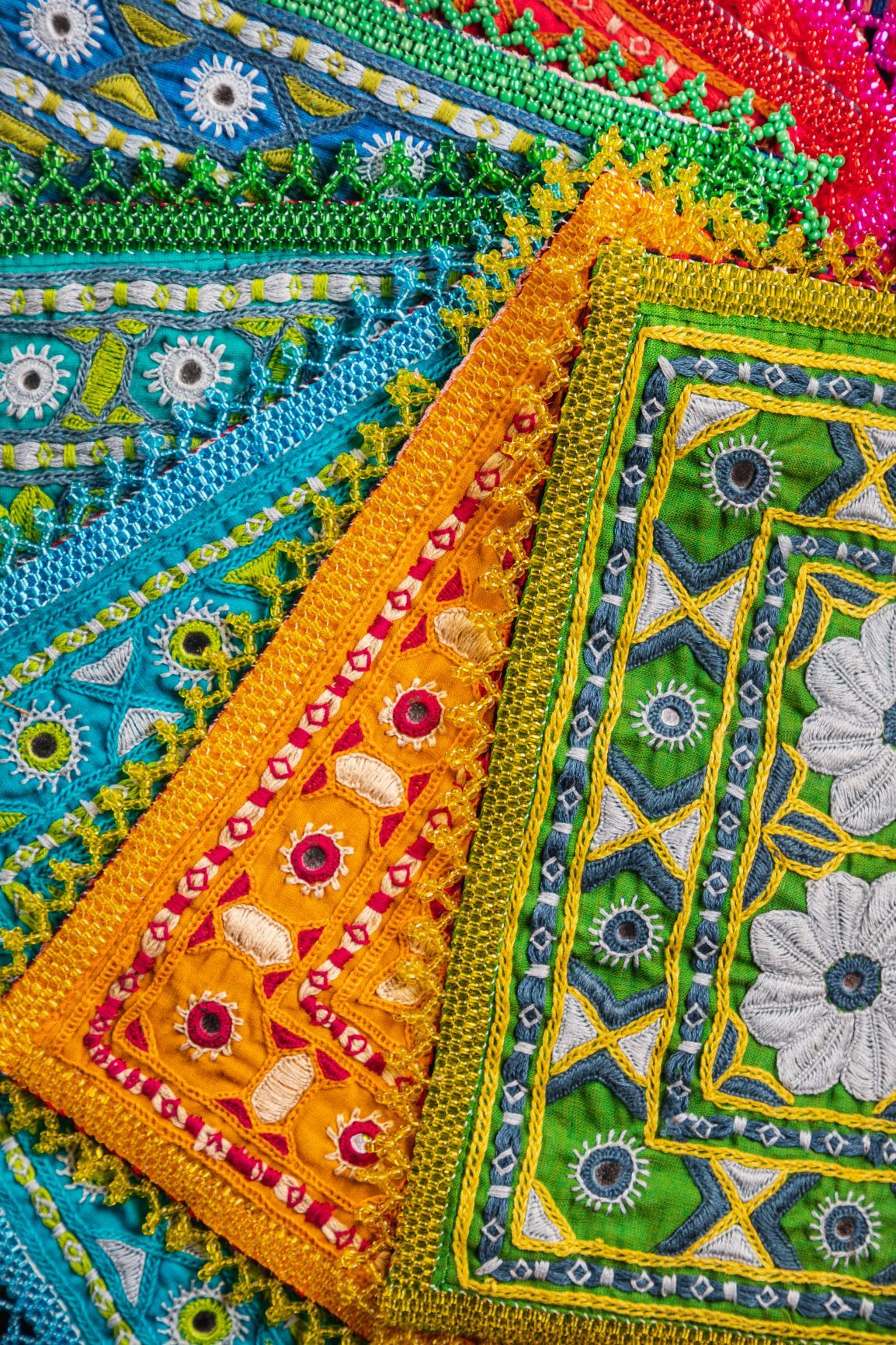
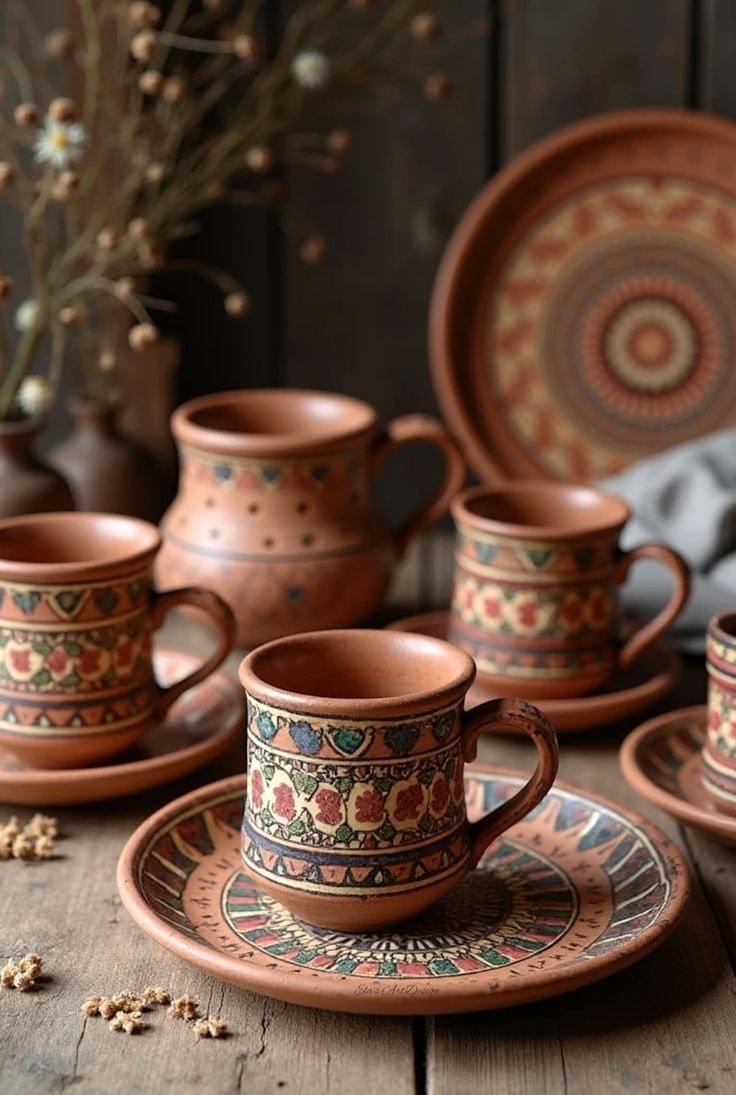
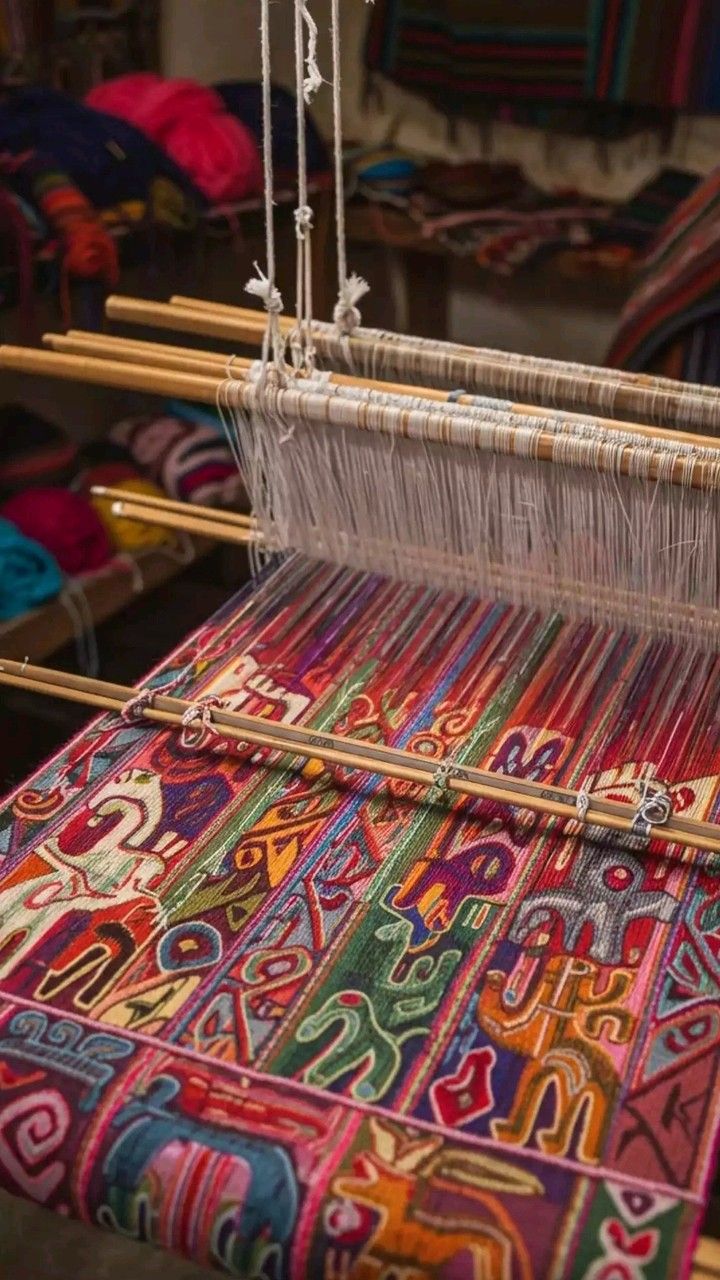
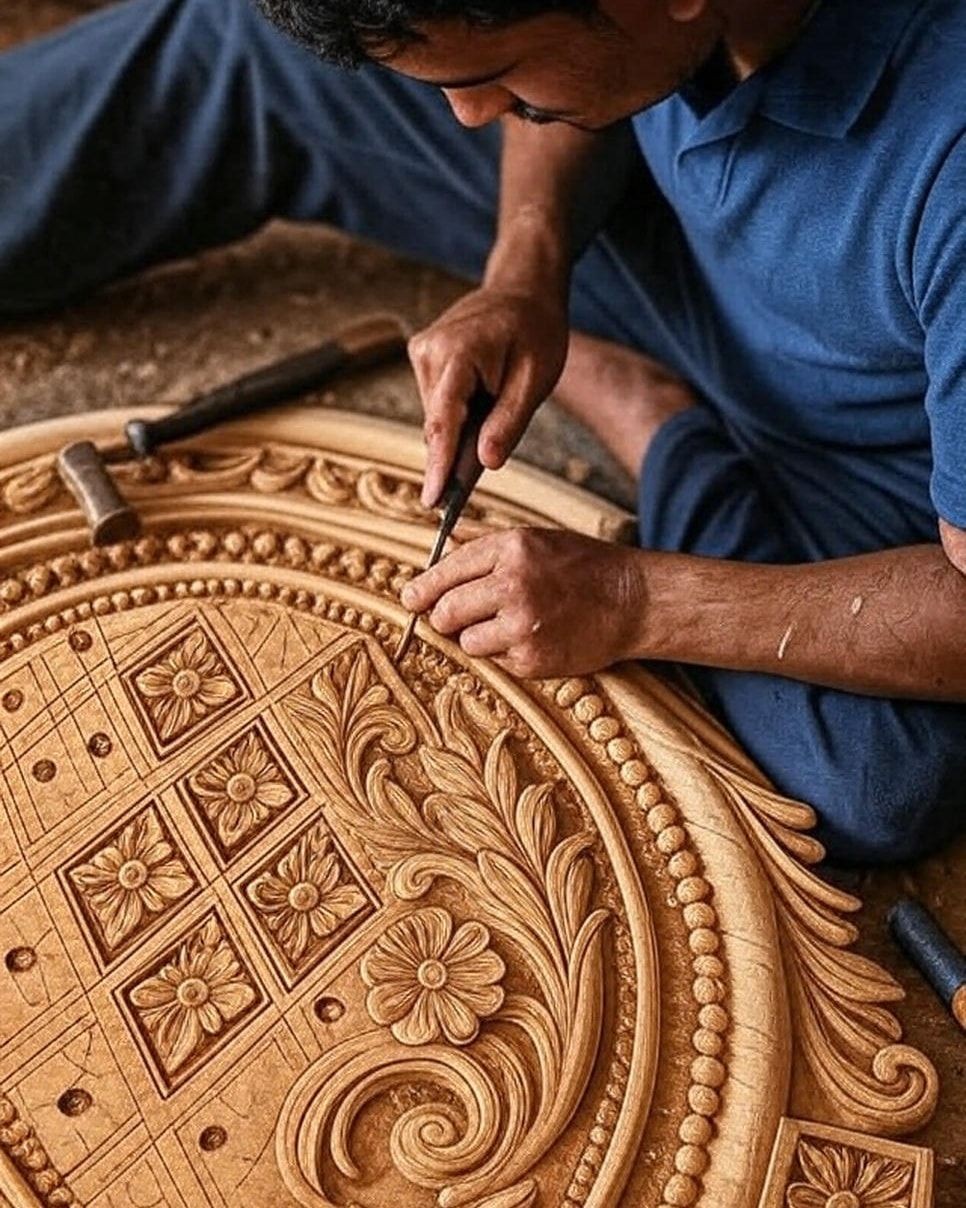
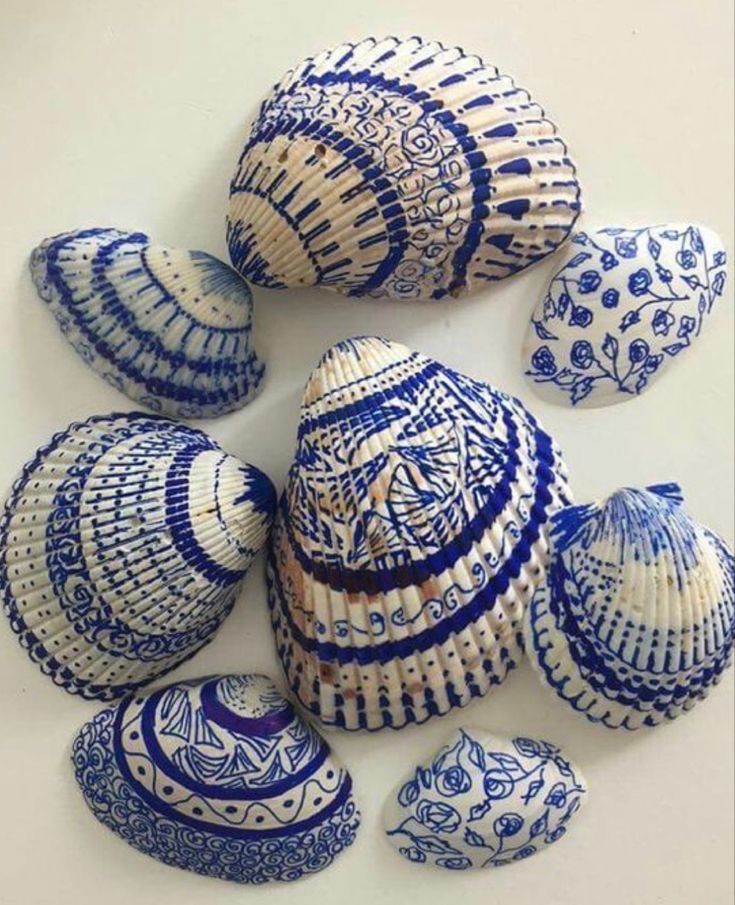
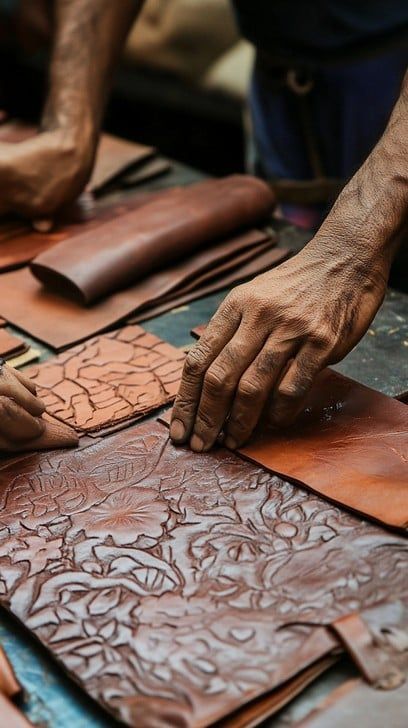
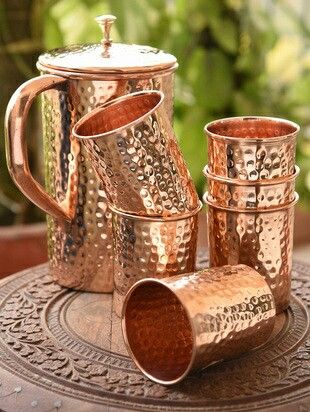
Drarka
Jamnagar
Porbandar
Junagadh
Somnath
Amreli
Bhavnagar
Rajkot
Botad
Surendra Nagar
Morbi
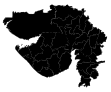
Saurashtra Region
Saurashtra
Kutch
North GUJ.
Central GUJ.
South GUJ.
Discover the heritage crafts of gujarat
Explore the skills and stories passed down through generations in the western region

Handicraft Livelihoods
Gujarat Income Analysis






Skilled artisan earning
Medium monthly income
Low monthly income
Export -linked earning
High seasonal dependency Income fluctuates significantly across months.
Unstable income Earning fluctuate with seasonal demand.
₹12,000 - ₹25,000
₹6,000- ₹12,0000
₹3,000 - ₹6,000
₹25,000+

35%
15%
70%
20%
30%
65%
TOTAL HANDICRAFT ARTISANS : ~137,000+ registered artisans
TOP 3 CITIES FOR HANDICRAFT : Bhuj, Ahmedabad, Surat
The Fabric of Gujarat
Mapping Gujarat’s Handicraft Artisans:
Regional Overview


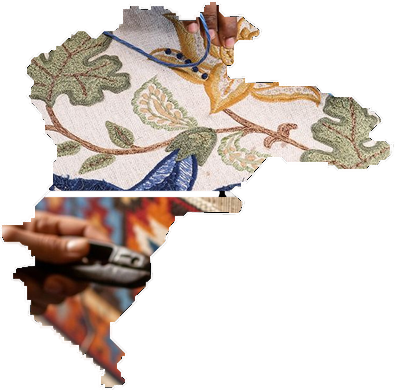
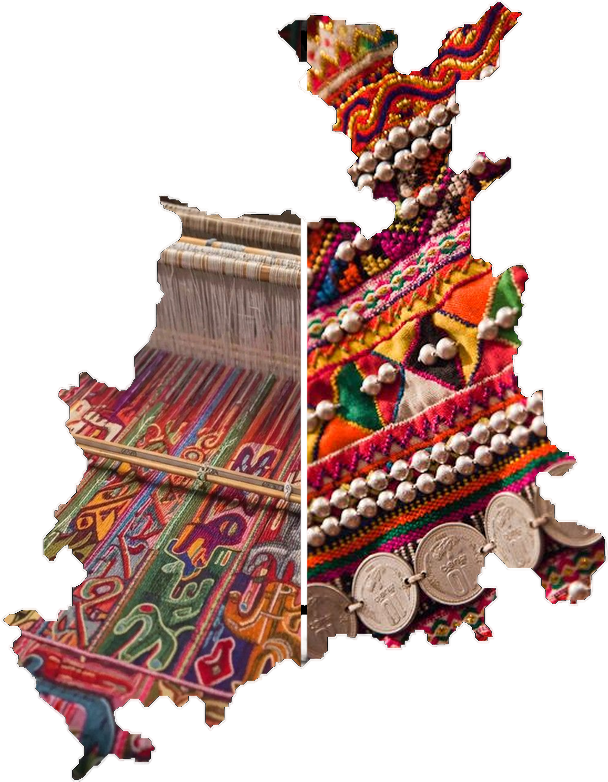
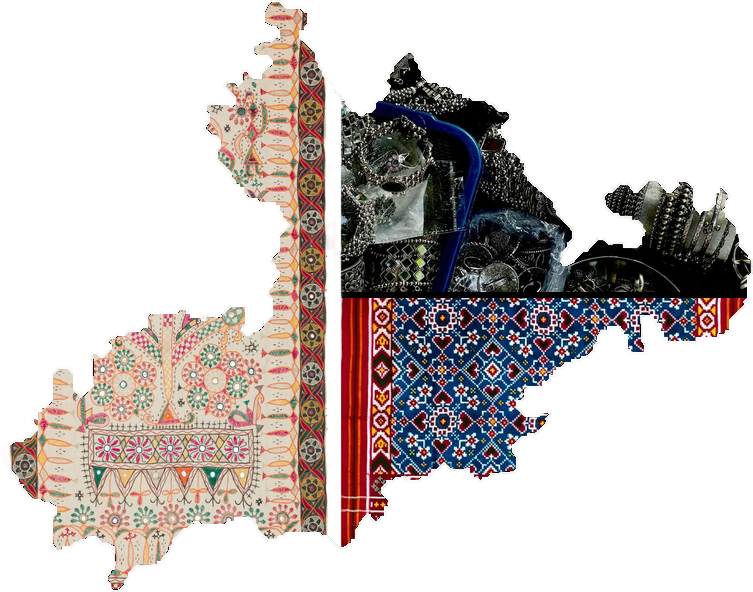
WEAVING & BLOCK PRINTING


ARTISAN POPULATION (IN THOUSAND)
0
100
KUTCH
SAURASHTRA
NORTH GUJARAT
CENTRAL GUJARAT
SOUTH GUJARAT
200
300
400
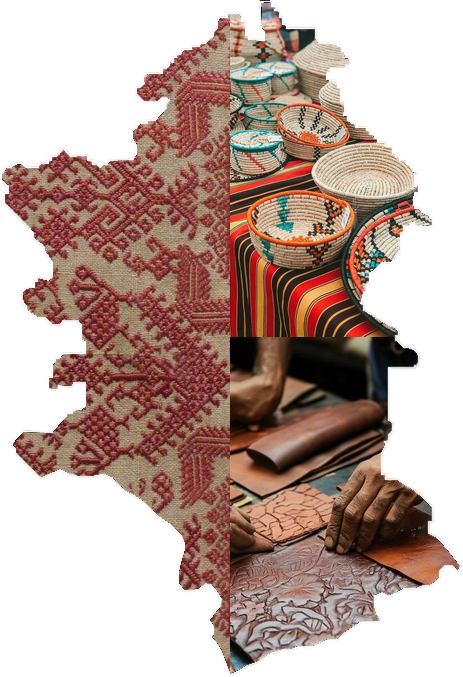
EMBROIDERY, BLOCK PRINTING, LEATHERWORK
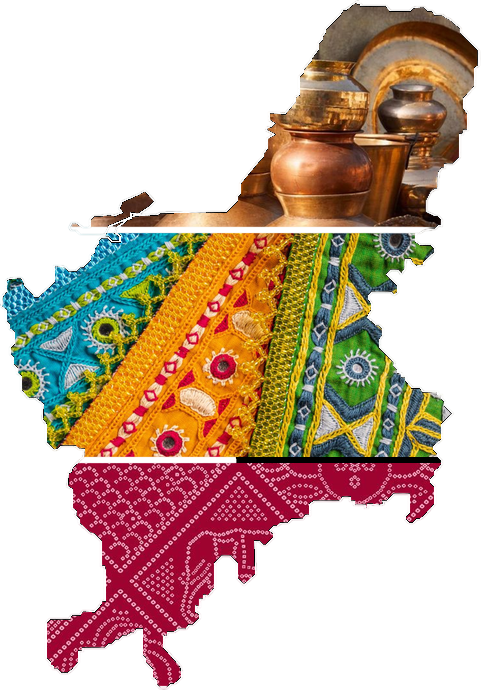
BANDHANI & BRADED JEWELRY
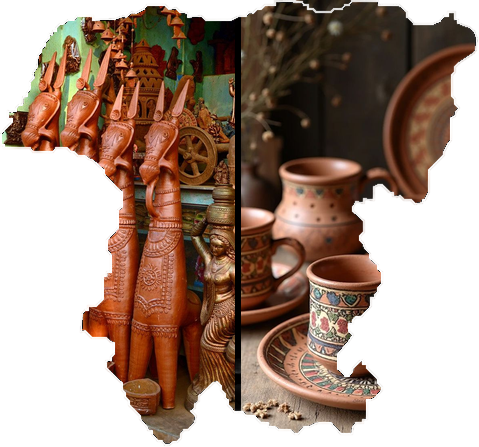
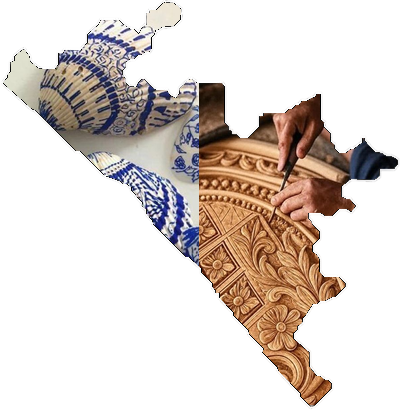
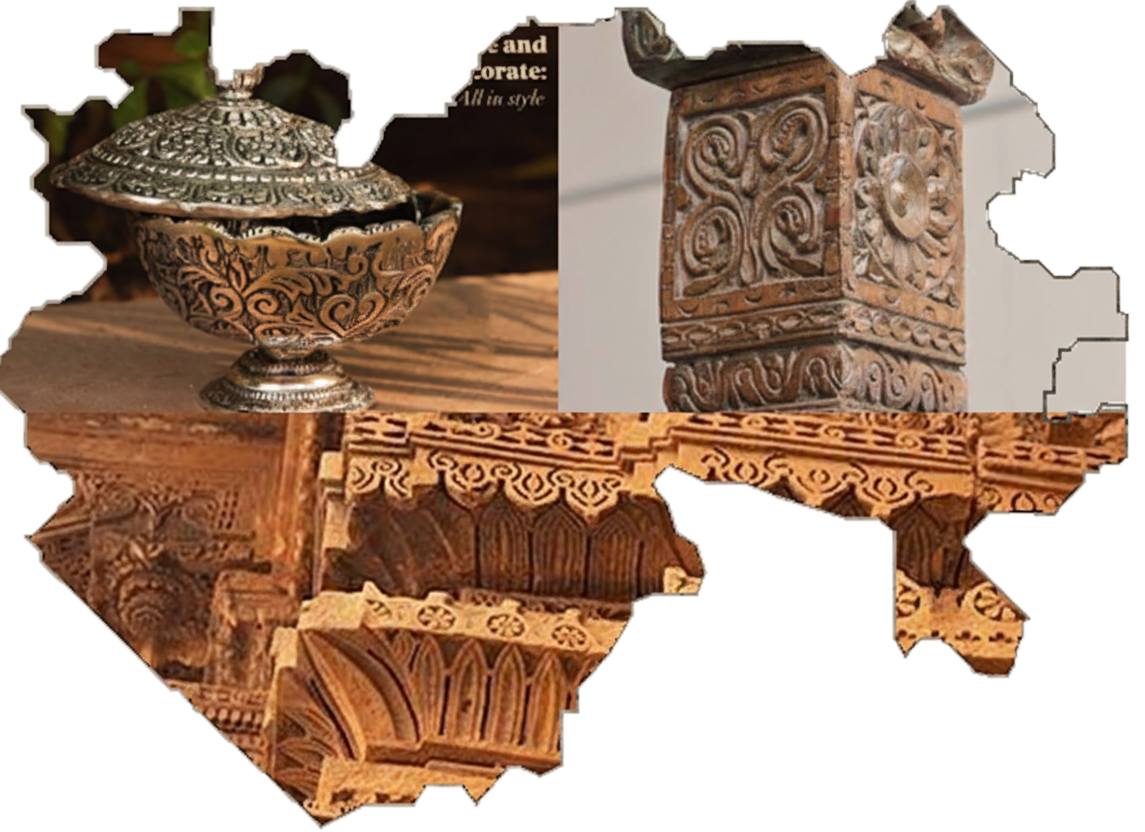
POTTERY & METAL CRAFT
WOOD CARVING
place cursor
ARTISAN POPULATION BREAKDOWN:
Indigo: Estimated Workforce
Mustard Yellow : Skilled Craft person
Teracotta : Seasoned Artisans






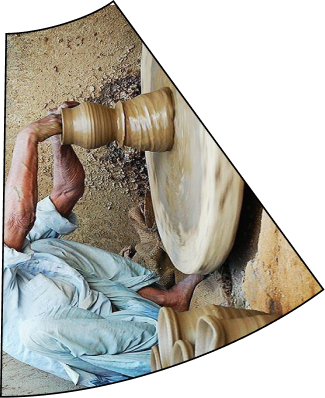
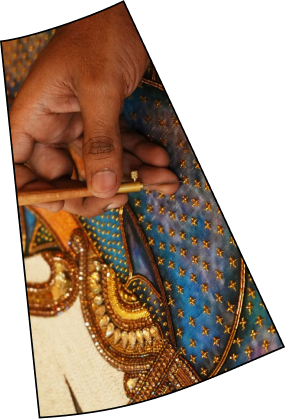
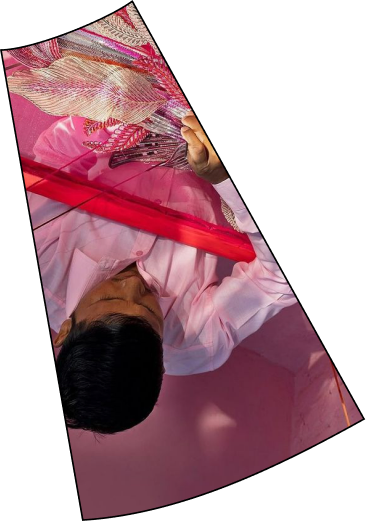
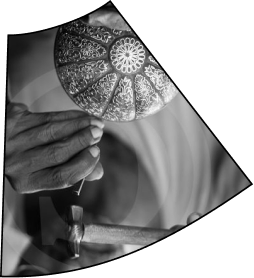
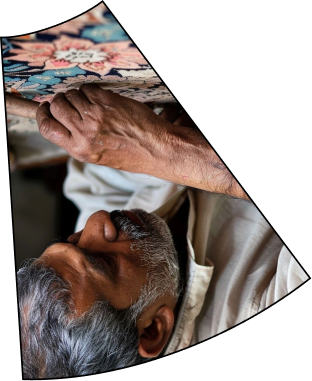
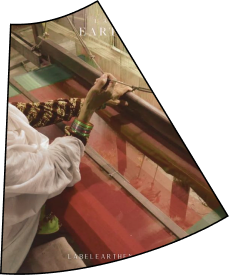
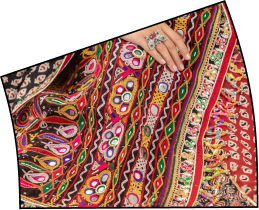
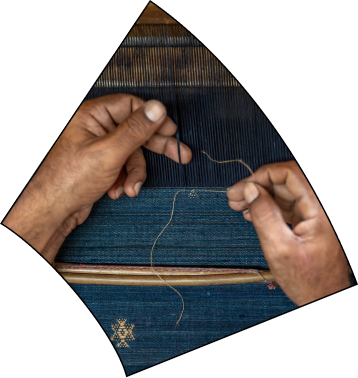
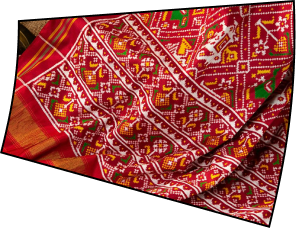
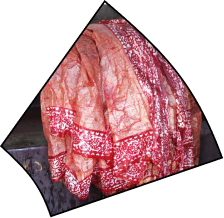

Two Market. One Heritage.

Artisan Families
3000+

Craft Villages
200+

Traditional Crafts
18+

Local Economy
Empowered
Local Market
Rooted in tradition.Powering communities.
Export Market
Shared with the world.Celebrated globally.

Countries Reached
50+

Global Export
Network

High Demand
For handmade crafts

Sustainable
Livelihoods


LOCAL MARKET
55% - 65%
EXPORT MARKET
35% - 45%

VS


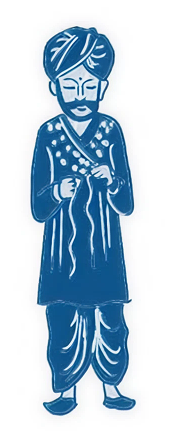
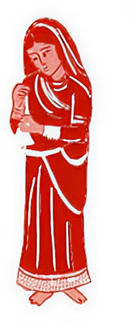
Structure of Gujarat’s Handicraft Artisans : Gender Representation
MEN (%)
WOMEN (%)



0
25
40 %
70 %
30 %
70 %
85 %
80 %
65 %
35 %
50 %
50 %
20 %
15 %
30 %
60 %
Kutch
Ahmedabad
Mirror Work
Block Printing
Textile & Embroidery
Wood Work
Metal/ Brass/ Copper
Bandhni
Tie-Dye
Jewellery/ Decorative Craft
50
75
100
Gender Roles in Artisanal Practices
This visualization highlights the gender distribution across Gujarat’s key handicraft sectors, revealing how different crafts are shaped by distinct roles of men and women. While textile-based crafts see strong female participation, material-intensive crafts like wood and metal are predominantly led by men, reflecting traditional skill divisions within artisan communities.
Behind the Craft
Methodology

The project integrates three primary dimensions into a cohesive system:
Regional Distribution: Mapping crafts across Gujarat’s geographic regions.
Community Linkage: Connecting specific crafts to the communities that practice them.
Economic Insights: Analyzing income levels, gender roles, and market dynamics.
By synthesizing these layers, the design enables users to explore the deep relationships between craft, culture, and livelihood through a single, unified interface.
Approch
Tools
This project explores Gujarat’s diverse handicraft landscape through research, regional mapping, and visual storytelling. By analyzing craft clusters in regions like Kutch and Saurashtra, the study examines the link between artisan communities, production techniques, and socio-economic factors such as market access and gender participation.
The final output translates these insights into an interactive visual experience, providing a structured and engaging interface to explore the state’s rich artisanal heritage.
Data
Art & Craft of Gujarat
Crafts Council of India
Development Commissioner
List of districts of Gujarat - Wikipedia
“Handmade in India” – NID (National Institute of Design)
(PDF) Handicraft Artisans of Rural Gujarat
Handicraft | District Kachchh, Government of Gujarat | India
Project by
Siddhi Jain
Guided by
Prof. Dr Anupam Rana
Built with a focus on seamless interaction, this project was designed using Figma for UI/UX design and high-fidelity prototyping. Supporting visual elements and refined imagery were created using Adobe Illustrator and Photoshop to ensure a high-quality aesthetic throughout.